
>
Register My ABN: What It Means, How It Works & What You Need (2025)

Register My ABN: What It Means, How It Works & What You Need (2025)

If you're starting a business, freelancing, contracting, or joining a gig-economy platform, you may need an Australian Business Number (ABN). Register My ABN is a private online service that helps sole traders complete and lodge their ABN application in simple, easy-to-understand steps.

This guide explains what Register My ABN is, how it works, and the information you’ll need before applying.

What Is Register My ABN?

Register My ABN is an online platform that helps individuals apply for an ABN as a sole trader. It presents the ABN application form in plain English so that users can enter their details more clearly.

Once the application is completed, Register My ABN securely lodges your details with the Australian Taxation Office (ATO) for assessment. All ABN outcomes are issued by the ATO.

Who Uses Register My ABN?

The service is used by people starting or running their own business activities, including:

  • gig-economy workers (delivery riders, drivers and task-based platforms)
  • freelancers and contractors
  • trades and services
  • side-hustle operators
  • online sellers
  • sole traders offering services or goods

Anyone carrying on or starting an enterprise may require an ABN depending on their business activities.

How Register My ABN Works

Register My ABN provides a simple 6-step process designed for sole trader ABN applications. Below is the same step-by-step structure used in our primary ABN guide.

Step-by-Step Guide: Applying for an ABN Using Register My ABN

You can complete a sole trader ABN application using Register My ABN in just a few minutes by following the six steps below.

Step 1 - Check Your Eligibility

To be eligible for a sole trader ABN, you must be starting or running a business activity, which may include:

  • Contracting
  • Gig-work delivery
  • Freelancing
  • Providing services
  • Selling goods
  • Support work
  • Other commercial activities

The ATO assesses eligibility based on whether a person is operating or intending to operate a business.

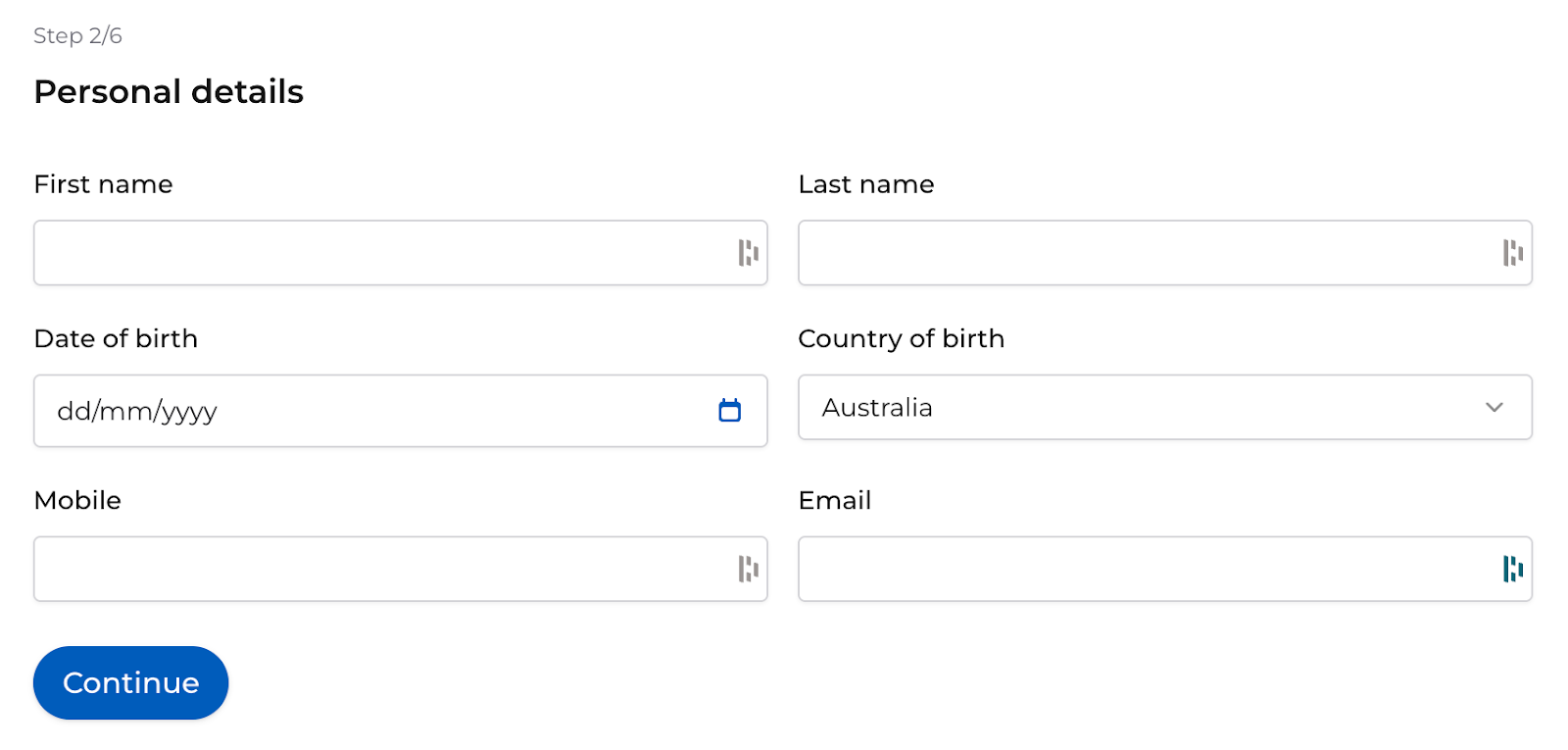
Step 2 - Enter Your Personal Details

You’ll need to provide:

  • Full name
  • Date of birth
  • Country of birth
  • Mobile number
  • Email address

These details must match ATO records. Accurate information helps the ATO verify your identity when assessing an ABN application.
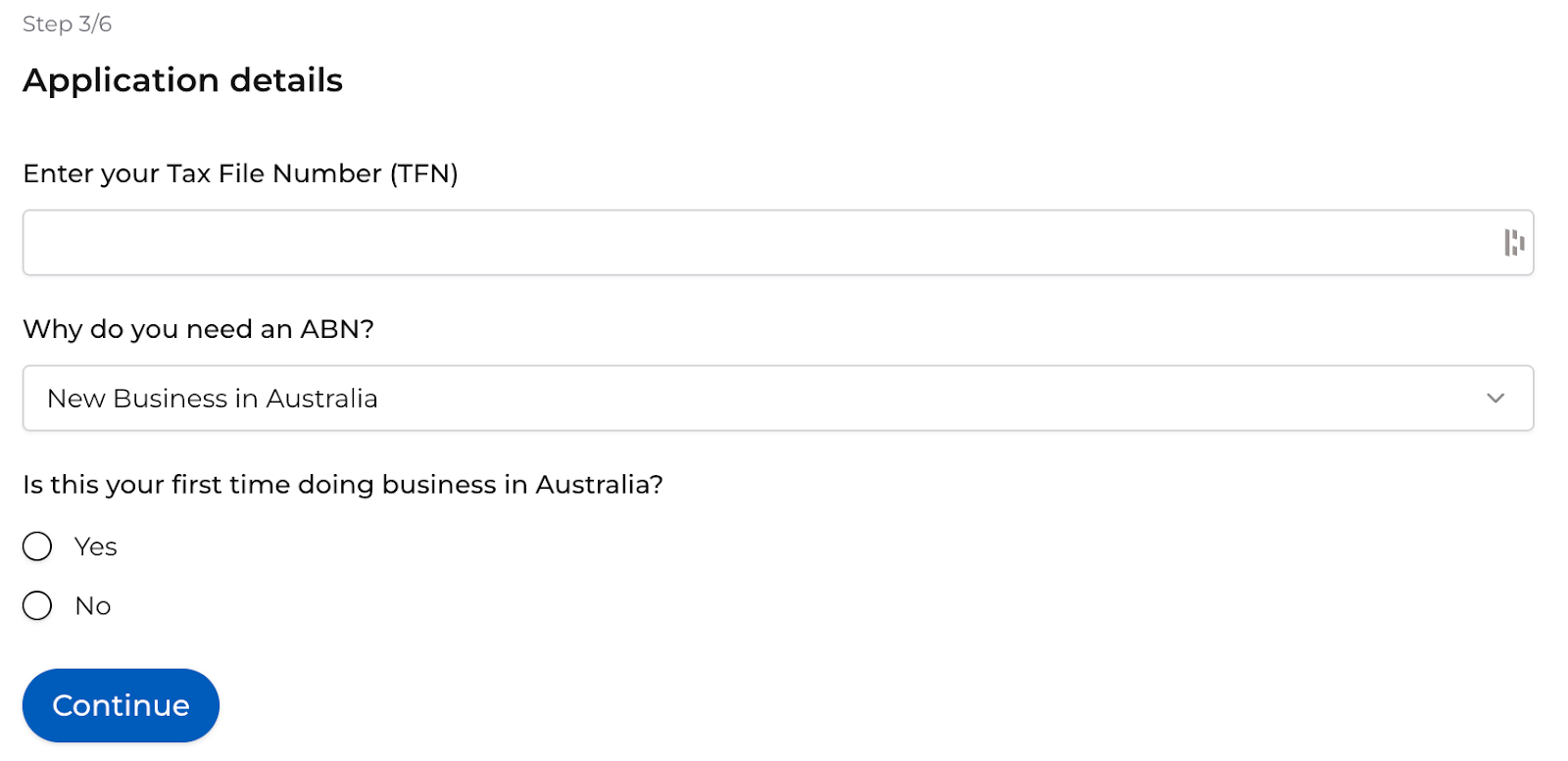
Step 3 - Provide Application Details

You’ll be asked to enter:

  • Your Tax File Number (TFN)
  • Your reason for applying for an ABN

Common reasons include starting a new business in Australia, contracting or subcontracting, or receiving payments for services.
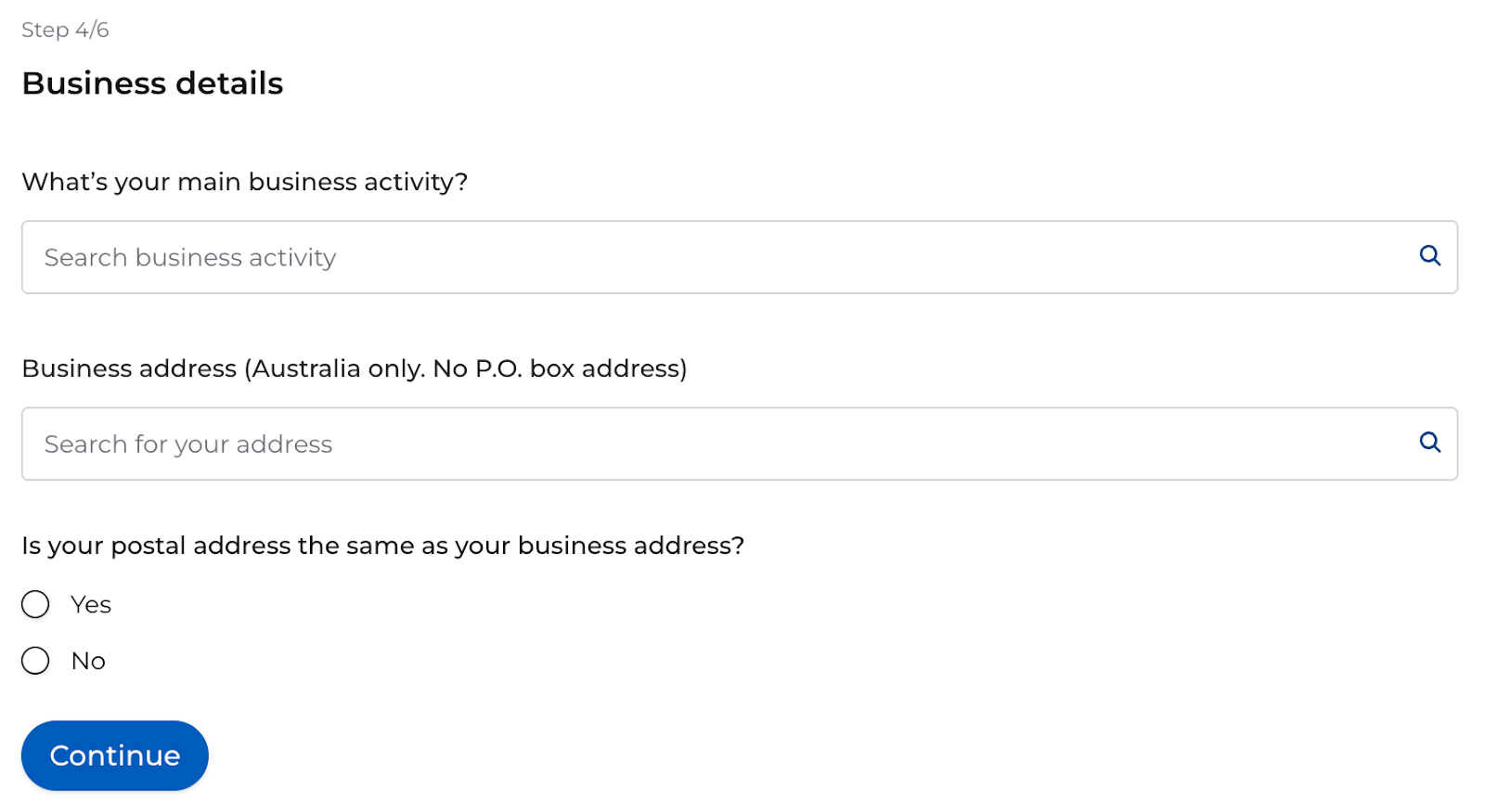
Step 4 - Enter Business Details

You’ll provide additional information about your business, including:

  • Your main business activity
  • Business address
  • Postal address

A business address must be a physical Australian address and cannot be a PO Box.
Many sole traders use their home address, although a virtual office address can also be used.

Once issued, your ABN details (including suburb and postcode) may appear on the public Australian Business Register (ABR). You can request non-disclosure from the ABR if publishing these details may pose a safety risk.
Step 5 (Optional) - Register a Business Name or GST

As part of your ABN application, you may also choose to register:

Business Name

Required if you plan to trade under a name other than your legal name. Example:

  • Trading as “John Smith” → no business name required
  • Trading as “John’s Plumbing” → business name required

GST Registration

GST registration is required if you:

  • provide ride-share, taxi or limousine services, or
  • earn $75,000 or more per year from your business activities

Some sole traders also choose to register voluntarily to claim GST credits.

Step 6 - Review, Checkout and Submit Your Application

Once all information is entered, you can review your details and proceed to checkout. The Register My ABN service fee is $45.

Your application is then securely lodged with the ATO. Most sole trader applications receive one of the following outcomes:

  • Approved - ABN issued immediately
  • Pending - ATO will review within up to 20 business days
  • Declined - eligibility not confirmed
  • Correction required - information needs updating or clarification

What You Need Before Applying

To complete the process, you’ll need:

  • Your Tax File Number (TFN)
  • Your full legal name
  • Your date of birth
  • Your residential address
  • Your business activity description
  • A valid email address and mobile number

ABN Approval Timelines

ABN outcomes are assessed and issued by the ATO. Typical timelines include:

  • Instant approval - common for low-risk applications
  • Up to 20 business days - if further checks are required
  • Declined - if eligibility cannot be confirmed
  • Correction required - if details do not match ATO records

Benefits of Using Register My ABN

  • Clear, plain-English questions
  • Designed specifically for sole trader ABN applications
  • Simple, step-by-step structure
  • Support if your application requires correction
  • Secure and immediate lodgement with the ATO

FAQs

  1. Is Register My ABN a government website?
    No. Register My ABN is a private service that prepares and lodges ABN applications with the ATO.
  2. How long does it take to get an ABN through Register My ABN?
    Most users receive an instant outcome. Some applications may take up to 20 business days if further checks are required.
  3. Can I apply for a company ABN?
    Register My ABN currently supports sole trader ABN applications only.
  4. What if my ABN is pending or declined?
    Support is available to help you understand the ATO outcome and what additional information may be required.
Register your ABN in under 5 minutes
This blog provides general information only and does not take your personal circumstances into account. It is not intended as financial or tax advice. Before acting on any information, consider if it’s appropriate for you. For personalised advice, speak to a registered tax agent, accountant, or contact the Australian Taxation Office (ATO).
Published on
Nov 28, 2025